Public transit service in Rochester, Minnesota, was thrown off schedule after a large number of bus drivers failed to report for their shifts during an ongoing contract dispute.
Transit officials said the unexpected absences forced the cancellation of numerous trips across multiple routes, leaving riders to cope with delays, detours, and in some cases no service at all. The disruptions came with little notice, creating challenges for commuters who depend on the system to get to work, school, and medical appointments.
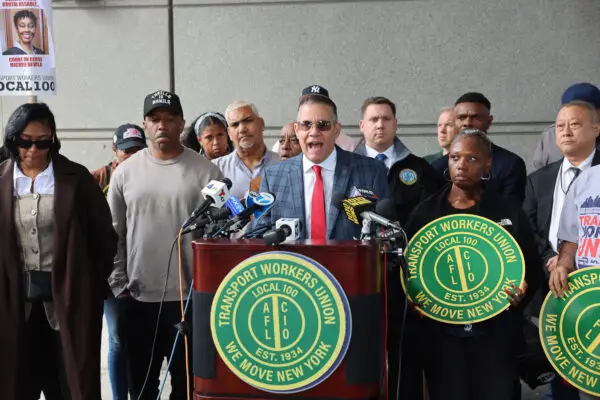
The service problems are unfolding as contract negotiations continue between the company that operates the buses and the union representing the drivers. Workers have already authorized a strike, signaling growing frustration over the pace of talks and unresolved issues at the bargaining table. However, a strike has not yet been formally scheduled.
Union representatives say the main sticking points involve wages, health care costs, and overall compensation. They argue that drivers are seeking a contract that better reflects the demands of the job and the rising cost of living. Management, meanwhile, has said it remains committed to reaching a deal while maintaining service for the public.
Even without an official strike, the wave of driver absences exposed how vulnerable the system is to staffing shortages. With fewer operators available, the transit network had to scale back service, affecting routes throughout the city.
For riders, the dispute has translated into longer waits, missed connections, and uncertainty about whether buses will arrive as scheduled. Transit officials have urged passengers to check for updates and plan extra travel time while negotiations continue.
Both sides have indicated they remain at the bargaining table. Until an agreement is reached, however, the possibility of further disruptions — including a full strike — continues to hang over the city’s bus system.