New YORK, NY – U.S. Congressman Adriano Espaillat, who represents Upper Manhattan, recently Wrote a Labor Perspective that was published in City & State New York.
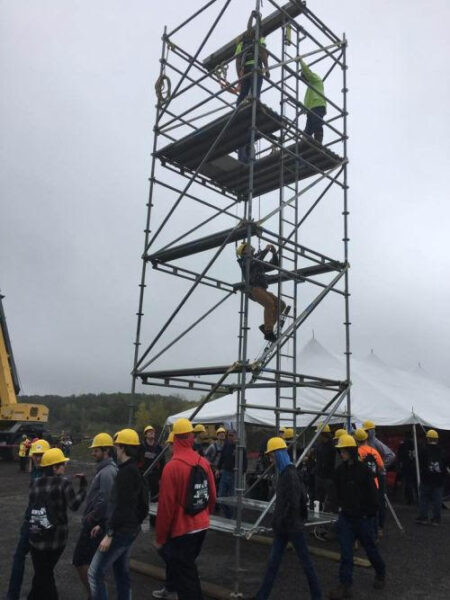
Congressman Adriano Espaillat discussed the dangers on the job and the need for safety regulations and monitoring of the many construction projects that take place in New York. According to Congressman Espaillot, The Insurance Industry’s latest attack on New York’s Scaffold Law is framed as a plea for affordability. In reality, it’s a demand for legal immunity for those who profit from dangerous construction while shifting the human and financial cost of catastrophic injuries onto workers and taxpayers.
The Scaffold Law exists for a reason that critics conspicuously avoid discussing. According to New York City data, there were nearly 500 construction-related injuries in 2024, while falls from heights and falling objects remain the leading causes of death and life-altering injury in construction. This statute, Labor Law §240, was enacted after generations of workers were killed or crippled on unsafe scaffolds while contractors blamed the victims and treated safety as optional.
Labor Law §240 imposes a simple and morally obvious rule: If you control the work site, you control the danger.
Labor Law §240 does not create automatic or no-fault liability. It applies only in a narrow category of cases involving gravity-related hazards where owners and contractors failed to provide proper safety devices and that failure directly caused the injury. If a worker is the sole cause of the accident, the defendant wins. That is not rhetoric. It is black-letter New York Appellate Law applied daily in Trial Courts across the State.
The proposed alternative standard, comparative negligence, does not make job sites safer. It turns safety cases into character trials of injured workers. Under that system, a worker paralyzed by a fall from an unprotected height can see their recovery slashed because a jury decides they were partially “at fault” for working on a site that lacked basic fall protection in the first place. The economic impact does not disappear. It is transferred to Medicaid, Social Security Disability, public housing, and taxpayer-funded home care. Unscrupulous developers avoid responsibility and the public absorbs the cost of life-long disability.
To Continue Reading This Labor Perspective, Go To: Opinion: The Scaffold Law isn’t the problem. Unsafe construction is. – City & State New York