
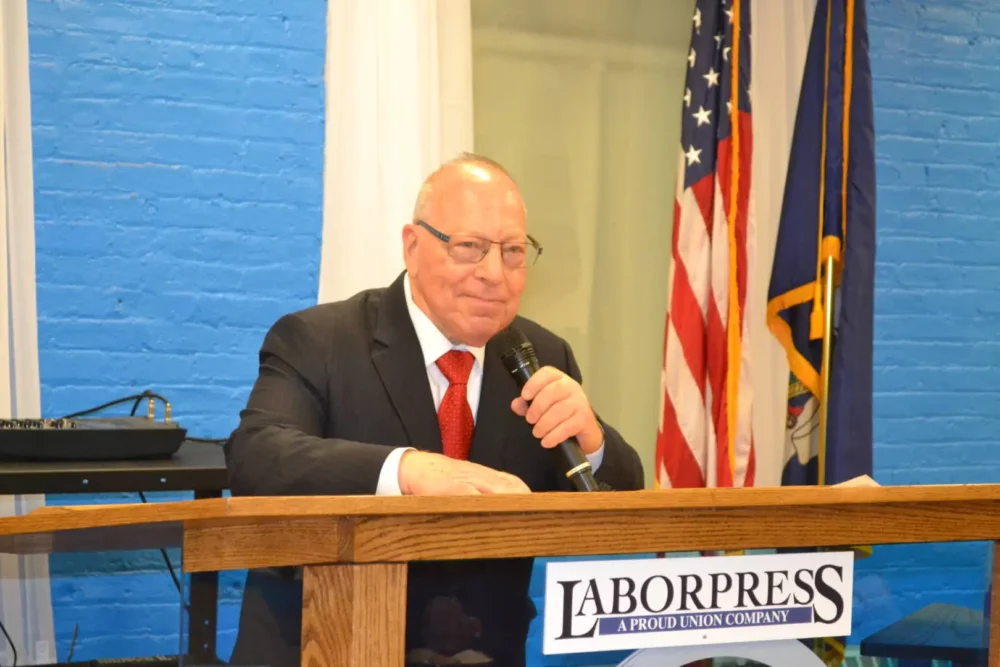
A Letter from Our Founder Neal Tepel
Building the Future: The Importance of Manual Labor and New Union Apprentices
Every city, community, and industry depends on the skill and dedication of people who work with their hands. From the buildings where we live and work to the roads, bridges, electrical systems, transportation networks, and infrastructure we rely on every day, skilled manual labor remains one of the foundations of our economy and our quality of life.
These jobs require far more than physical strength. Today’s skilled trades demand technical knowledge, precision, problem-solving, safety awareness, and years of training. Carpenters, electricians, plumbers, ironworkers, operating engineers, laborers, and other tradespeople combine experience with constantly evolving technology to build and maintain the world around us.
That makes the next generation of union apprentices critically important.
Union apprenticeship programs provide young workers and people entering new careers with an opportunity to learn a skilled trade while earning a living. Apprentices receive hands-on instruction from experienced professionals, classroom education, safety training, and exposure to the standards that have been developed through generations of union craftsmanship.
Just as importantly, apprenticeship offers a pathway to the middle class. A successful apprentice can build a career that provides competitive wages, benefits, retirement security, and the dignity that comes from mastering a valuable skill. Instead of simply finding a job, apprentices are building careers that can support families and strengthen communities for decades.
Experienced union members also play an essential role by passing their knowledge to those coming behind them. Every lesson taught on a jobsite helps preserve standards of quality, safety, solidarity, and professionalism.
Our new union apprentices represent more than the future of the trades. They represent the future of our communities and infrastructure.
By investing in apprentices today, organized labor is ensuring that tomorrow’s workforce will have the skills, pride, and determination necessary to keep America building.
In solidarity,
Neal Tepel
Publisher & Founder, LaborPress